
DPD Bromley
Following on from our recent post about why induction can be a more effective alternative to abrasive blasting for intumescent removal, we wanted to share how this approach was applied in practice on DPD Bromley.

On this project, we were tasked with removing existing intumescent coatings from the steelwork, and due to the thickness of the material present, induction heating was selected as the primary removal method rather than conventional abrasive blasting.
Induction allowed us to work in a far more controlled manner, heating the steel beneath the coating so the intumescent layer released and lifted cleanly from the substrate. This made it possible to remove large sections efficiently, particularly across soffits and overhead steelwork where control, cleanliness, and safety are critical.
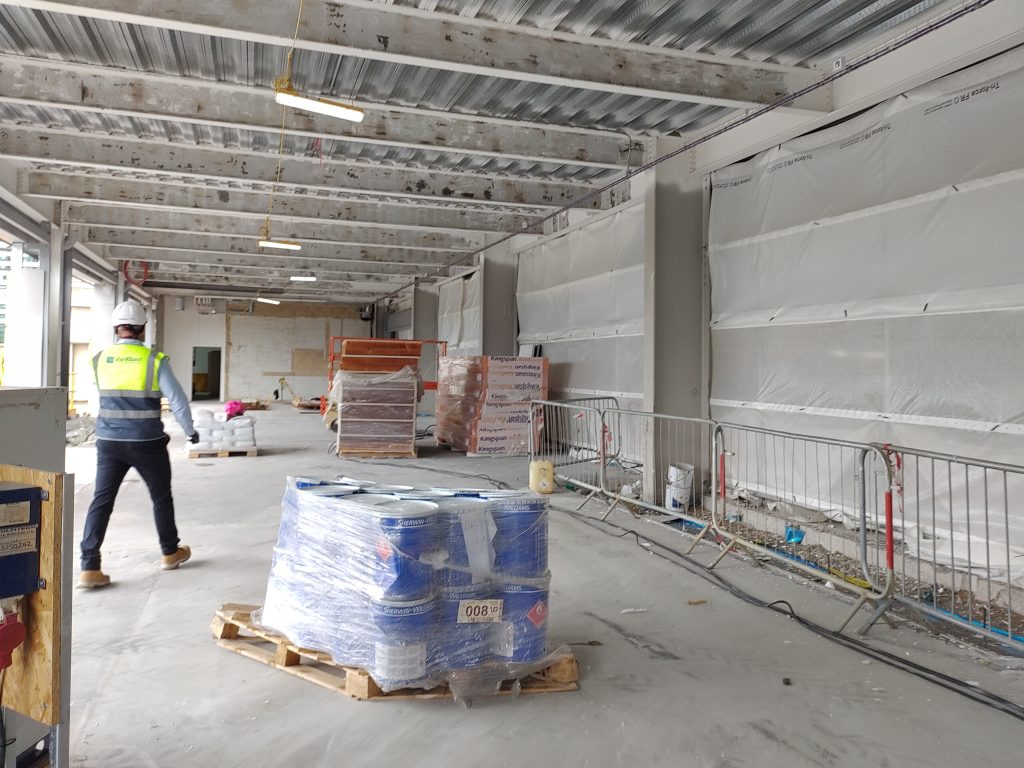
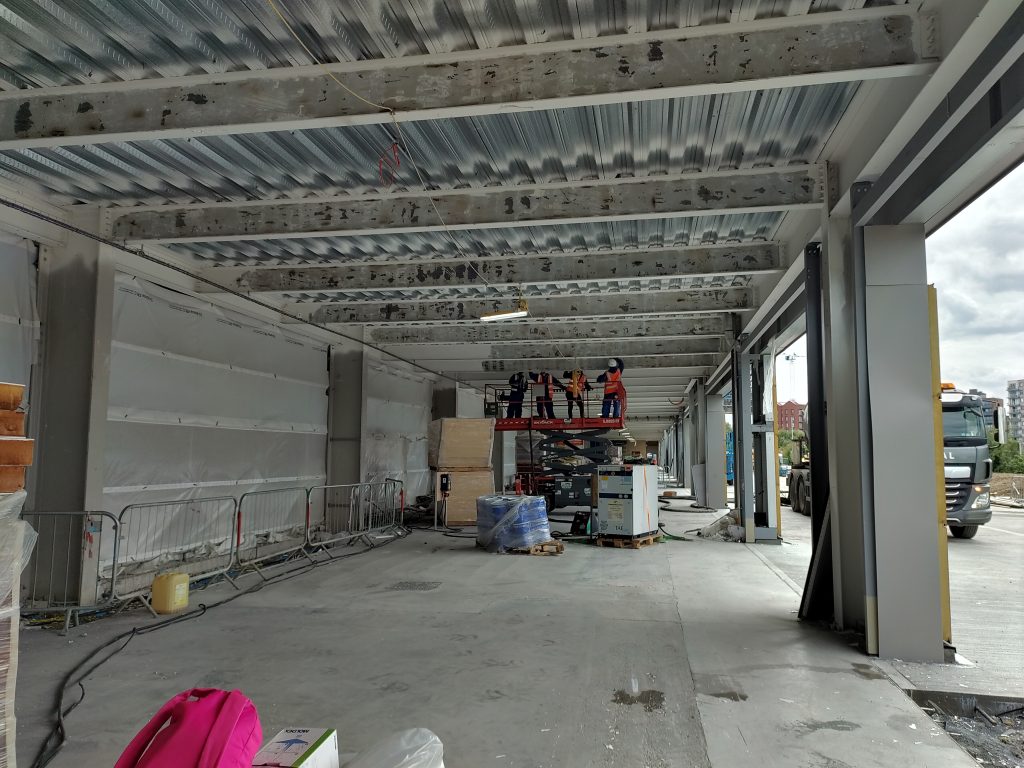
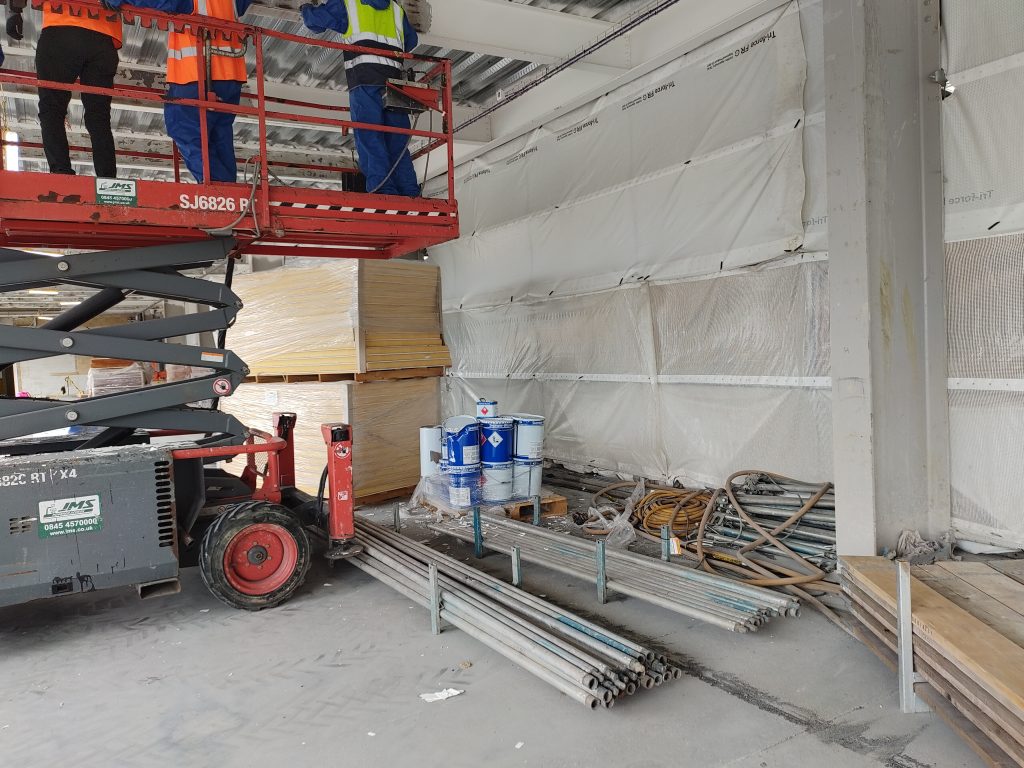
Once the bulk of the coating had been removed using induction, a light follow-up blast was carried out to achieve a consistent surface profile ready for recoating.
The outcome at DPD Bromley was a cleaner, more efficient, and more predictable removal process, with reduced blasting time, lower media usage, and a high-quality finish.