
How to spot failling steelwork coatings
During a recent site visit, we identified sections of external steelwork still coated in original Victorian-era paint systems. The coatings were peeling, cracking, and lifting away from the surface – a clear sign they were no longer protecting the metal beneath. While this can look like a cosmetic issue at first, failing paint allows moisture and contaminants to reach the steel, accelerating corrosion and weakening the structure.
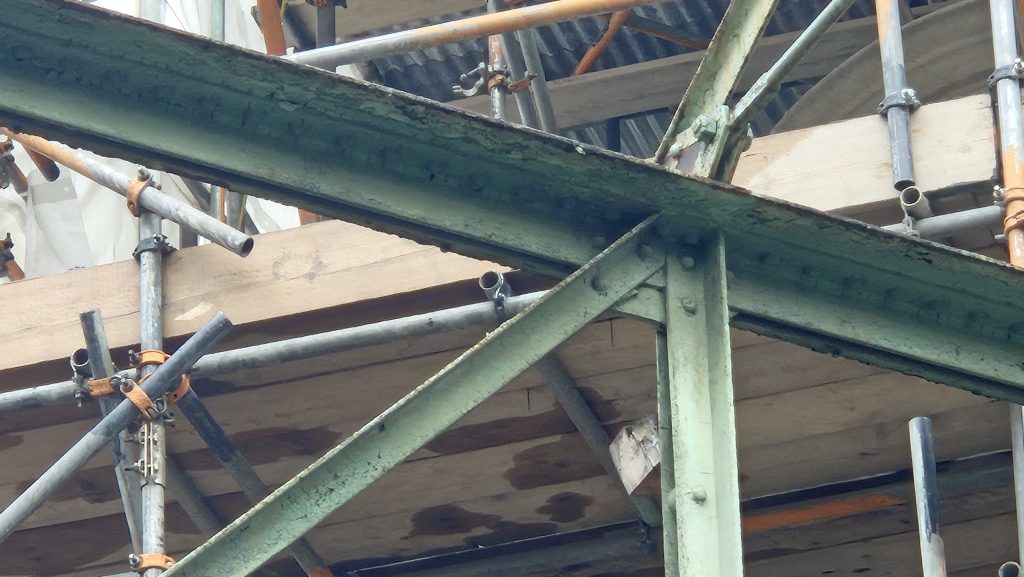
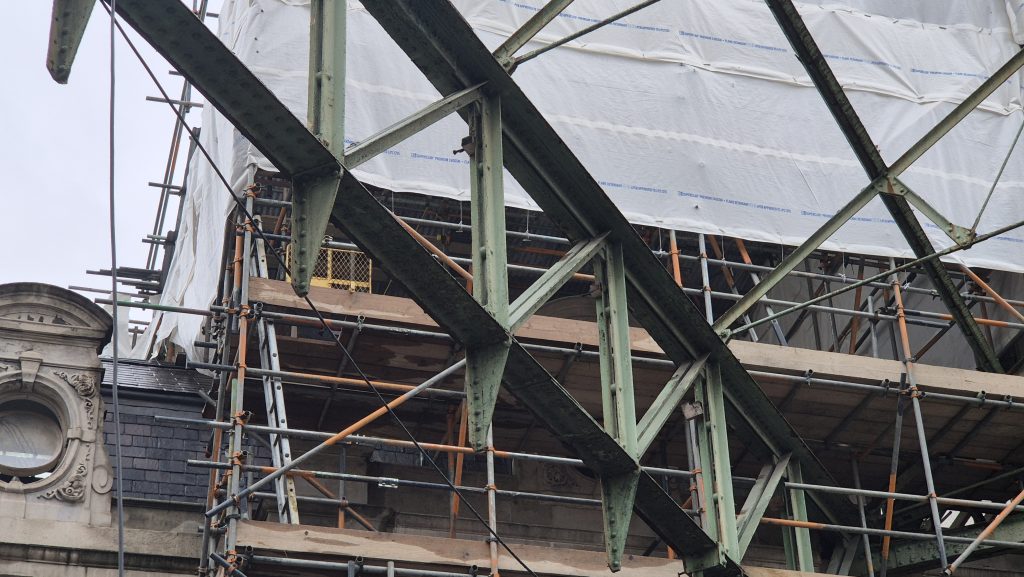
Older coating systems were never designed to last indefinitely, and in many cases historic steelwork was also poorly primed or not primed at all before painting. Without a proper primer to bond the coating to the steel and seal the surface, paint systems are far more likely to fail early. Over decades of exposure to weather and wear, these weaknesses become obvious, with rust spreading beneath the coating unseen.
When we see steelwork in this condition, the next step is a full assessment followed by removal of the failing coatings, thorough surface preparation, and application of a modern protective system suited to the environment and use of the structure. At VariBlast, we specialise in blasting and recoating steelwork, ensuring surfaces are properly prepared and primed so new coatings achieve maximum adhesion and long-term protection.
Addressing deteriorating paint early not only protects the steel but also preserves the appearance and value of the structure, particularly on older or heritage buildings where maintaining original materials is important.
If your steelwork is starting to show signs of peeling, cracking, or rusting, it may be time to take a closer look. Early intervention can prevent more serious damage and keep your steelwork protected for years to come.