
The importance of catering to micro-climates
During a recent site visit to a multi-level carpark, we observed first-hand the consequences of not accounting for micro-climates when applying surface coatings. Water-based intumescent coatings had been applied throughout, yet large sections had already failed. This goes beyond just ‘poor application’: it highlights a critical factor in surface protection that has only gained recognition in the last 5–10 years. Coating systems in environments classified as C4 (high corrosion risk, industrial or coastal environments) are more likely to falter, with such atmospheres greatly affecting coating performance.
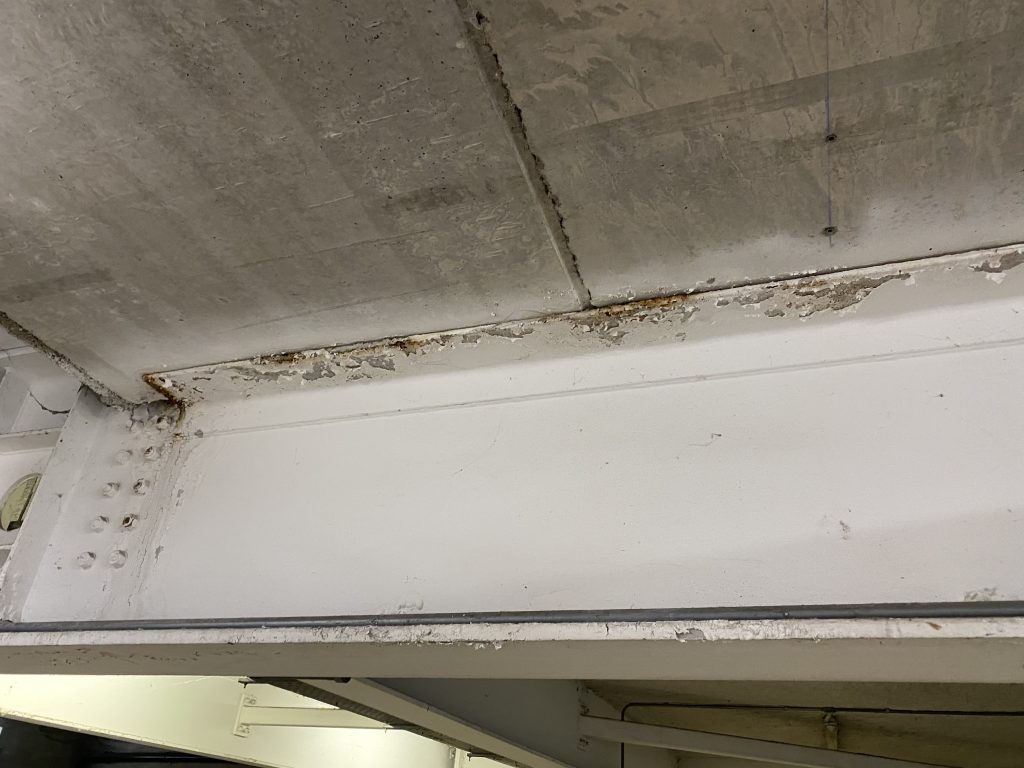
Car parks, especially enclosed or semi-enclosed structures, create micro-climates that can vary dramatically from one section to another. High humidity and condensation combine with the fact that water and salts are brought in by vehicles, which are driven in from rain, snow, or coastal environments. These conditions severely affect how coatings adhere. In C4-rated environments, water-based paints often struggle to perform, leading to blistering, peeling, and premature failure. Solvent-based coatings, by contrast, are far more resilient under these conditions, offering long-term protection for steelwork and structural elements.
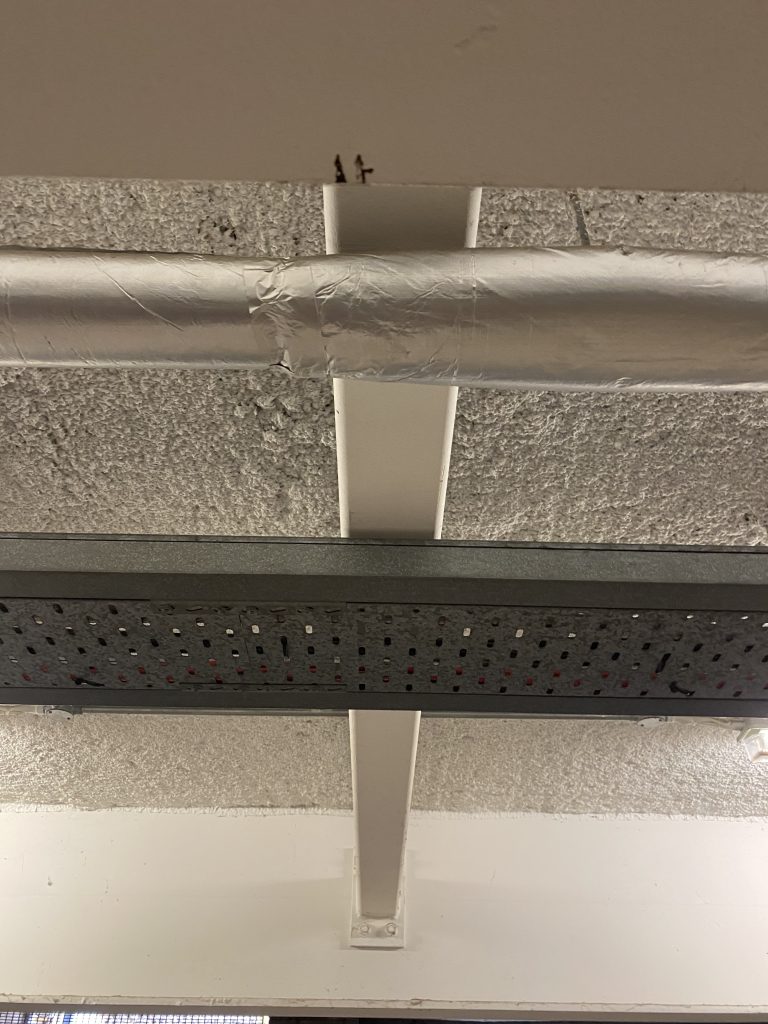
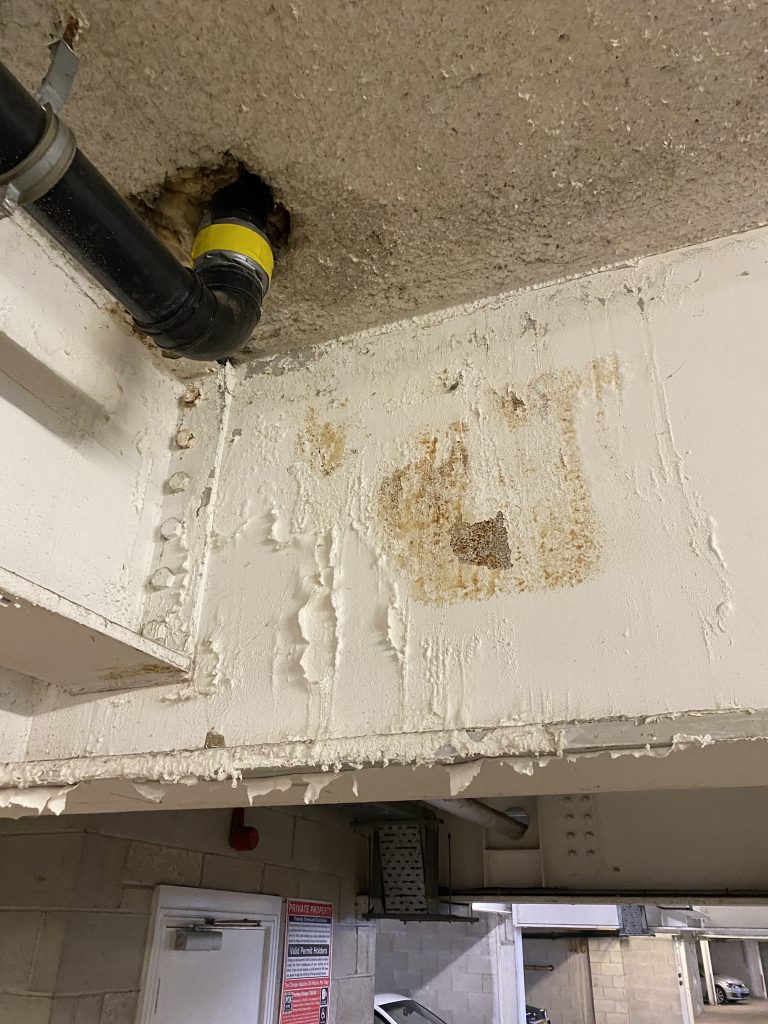
This growing awareness of micro-climates has reshaped the surface preparation and coating industry. Many older car parks now show widespread failing paint systems because environmental factors weren’t considered during the initial application. Proper priming, careful selection of coating type, and understanding local micro-climate conditions are now essential steps to ensure that a project stands the test of time.
At VariBlast we integrate these considerations into every project. In this case, we provided a detailed site assessment to ensure we choose the correct coating systems.